
Spider Plant
Spider Plants are easygoing plants with arching striped leaves and little baby plants that seem almost designed to be shared.
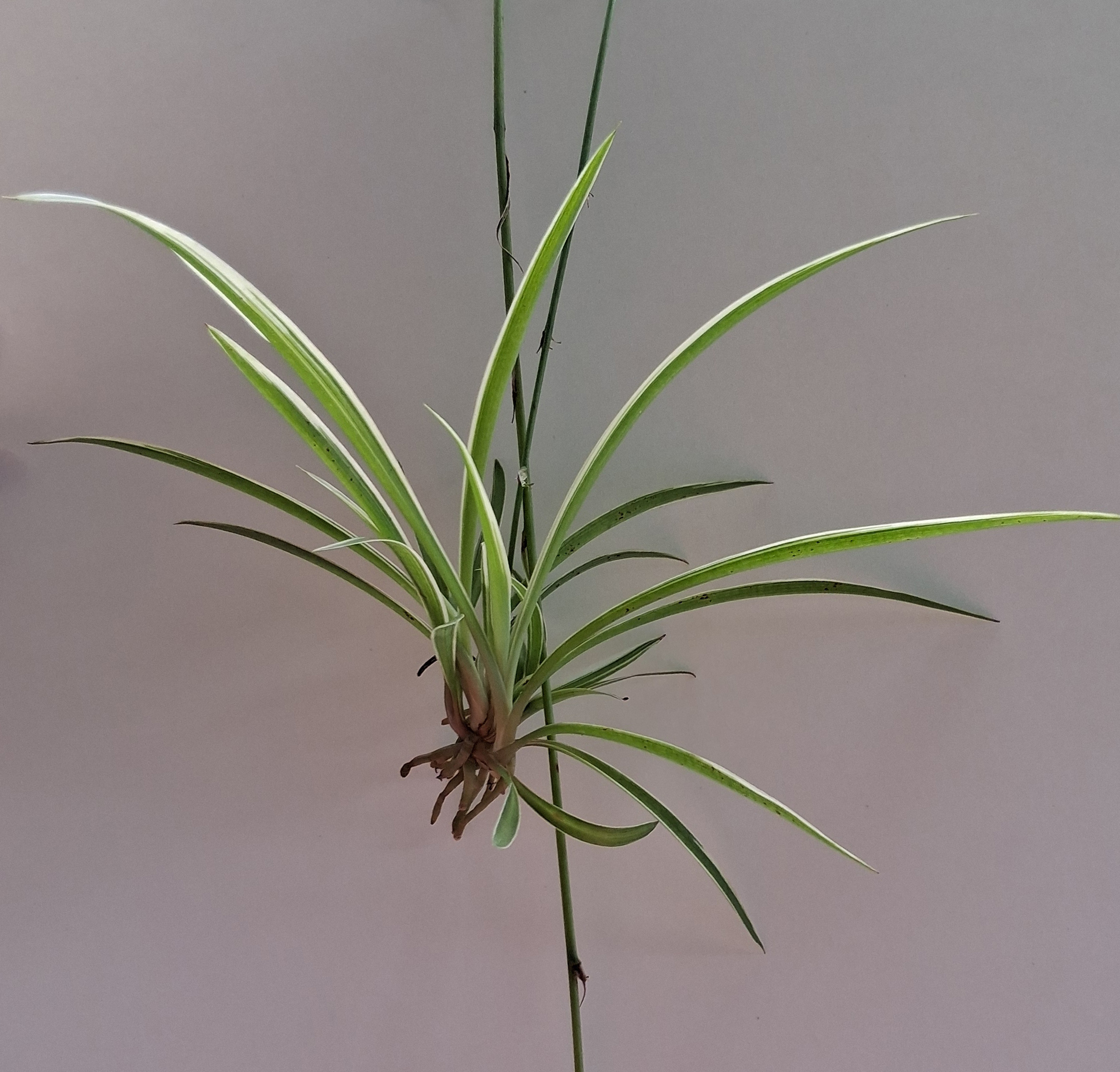
About This Plant
Spider Plants form clumps of long, arching leaves. Mature plants send out long stems that can produce flowers and small plantlets the little “spiders†hanging from the mother plant.
Planting Guide
Spider Plants are especially well suited to containers and hanging pots. Plant at about the same depth it was growing before and use a container with drainage holes.
They can also be grown outdoors in suitable protected locations, but a pot makes it easy to move the plant when conditions change.
Sun
Bright indirect light or partial shade works well. Protect the leaves from harsh all-day Florida sun, which can scorch them.
Water
Water when the upper part of the soil begins to dry. Don't leave the roots sitting in constantly wet soil.
Plants in outdoor containers may need more frequent watering during hot weather.
Soil
A regular, well-draining potting mix works well. Good drainage is more important than anything fancy.
How Big Does It Get?
The main plant forms a fountain-shaped clump, while the long stems carrying plantlets can extend well beyond the pot. Hanging baskets show those stems off especially well.
Propagation
This is where Spider Plants make gardening easy. The little plantlets growing on the long stems can be rooted to make new plants.
You can place a plantlet into a small pot of soil while it is still attached to the mother plant, or remove a sufficiently developed plantlet and root it separately.
General Care
Remove dead or damaged leaves and trim brown tips if they bother you. Repot or divide the plant when the container becomes badly crowded.
Does It Spread?
In a pot, spreading is simple to control. The mother plant produces plantlets, and you get to decide whether those babies become new plants.
From My Garden
Spider Plants are perfect plants for sharing because they do so much of the propagation work themselves. When the babies start appearing, one plant can quickly turn into several.